
A marketing final year project set inside a real company needs four things a general company case-study guide will not tell you: an access request addressed to the marketing team specifically, not human resources; a clear list of what a marketing department will and will not release; a data-protection approach built on the Nigeria Data Protection Act 2023 rather than a generic consent template; and a fallback plan for when access does not come through in time.
Step 1: Decide Exactly What Marketing Data You Need Before You Write to Anyone
The single biggest reason a marketing access request stalls is that it asks for too much, too vaguely. Before contacting any company, write down precisely what you need in one of three categories: customer-facing data (a survey of the company’s own customers on brand perception, satisfaction or purchase intent, usually administered by you with the company’s permission to approach its customers); staff or manager data (interviews with the marketing manager or team on strategy, campaign decisions or budget allocation logic); or company-held records (campaign performance figures, social media engagement data, past campaign materials). Each category has a different approver and a different realistic timeline, and naming exactly which one you need, with a number attached (“a 15-minute interview with the marketing manager,” “a survey of 150 customers at two branches”), is what turns a vague request into one a manager can say yes to on a specific afternoon.
Step 2: Address the Request to Marketing, Not HR
A letter of introduction routed through human resources for a marketing topic usually sits in a tray, because HR has no reason to forward it and no budget authority over marketing’s time. Ask your departmental contact, a lecturer, or an alumnus for a direct introduction to the marketing manager, brand manager, or digital marketing lead instead. Attach your department’s letter of introduction behind a one-page request stating exactly what you listed in Step 1, how long it will take, and what the company receives back — a two-page summary of your findings costs you nothing and is the one line in the letter most likely to get a reply.
Step 3: Know What a Marketing Team Will Release, and What It Will Not
Marketing departments are generally more open than finance or legal teams about their published campaigns, but protective of anything that reveals competitive strategy. Usually available: published campaign materials and brand guidelines, general engagement figures the company already reports publicly or internally shares informally (reach, engagement rate on a specific campaign, not necessarily total ad spend), staff interviews on marketing philosophy and decision-making process, and permission to survey the company’s own customers with the company’s introduction. Rarely or never available: exact campaign budgets and media spend by channel, unreleased competitive intelligence or market research the company paid for, customer contact lists or personal data handed to you directly, and anything tied to an active, unlaunched campaign. If your topic depends on the second list, change the topic or the design before you approach anyone — our guide to running a company case-study project covers the same access-letter mechanics for a general business administration topic, and the same logic about naming exactly what is realistically available applies here.
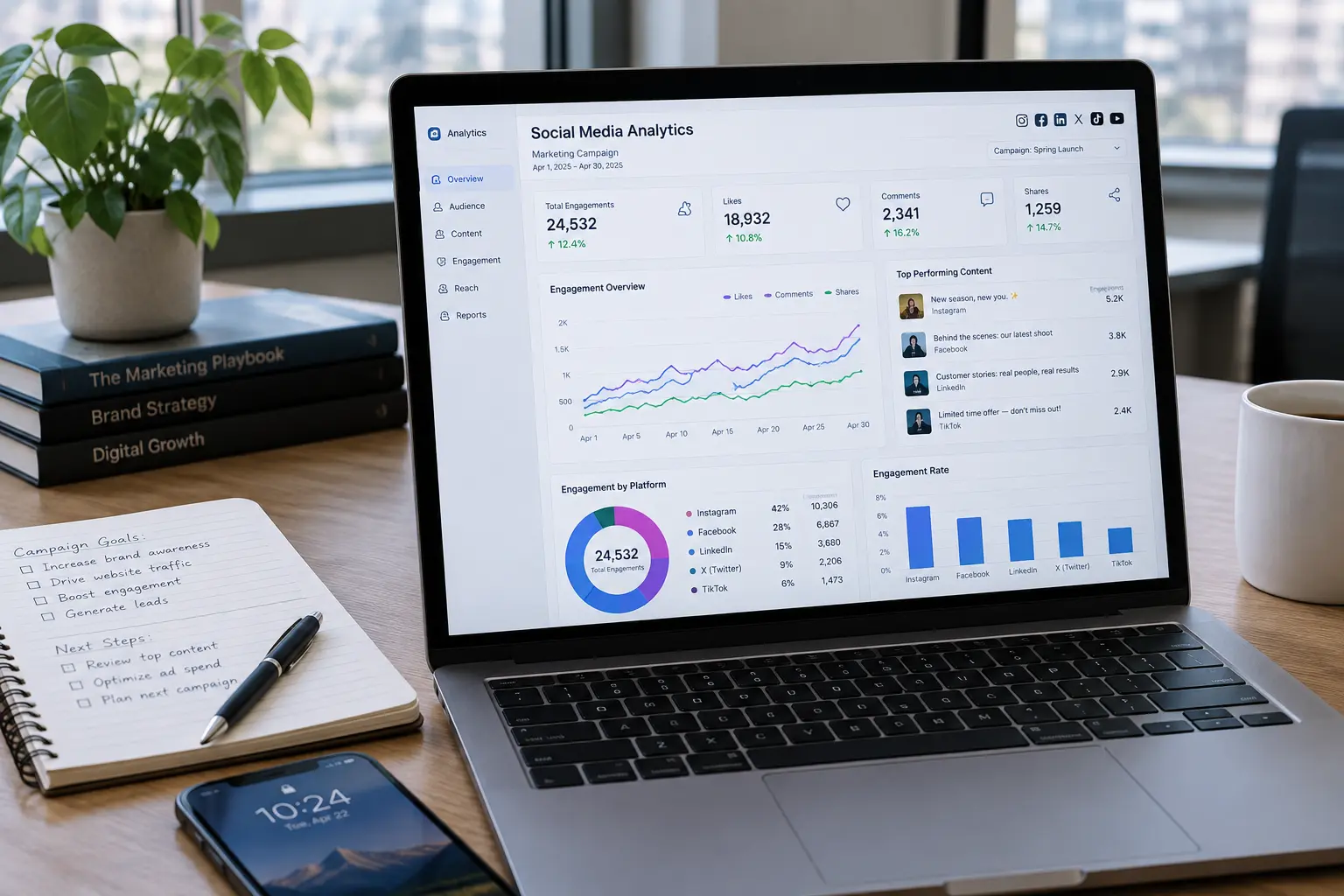
Step 4: Build Your Data Protection Approach on the Act Itself, Not a Template
The Nigeria Data Protection Act 2023 (NDPA) governs how you collect, use and store any personal data in your project — customer survey responses, staff interview recordings, anything that identifies an individual. Part V of the Act sets the rules you will lean on most: Section 24 lists the principles of personal data processing, Section 25 sets out the lawful bases for processing, of which consent is one, and Section 26 governs consent itself. For a customer survey, that makes your consent statement not a formality but the actual lawful basis you are relying on. Part VI, Sections 34 to 38, sets out the rights of a data subject — including access to their data, correction, erasure, withdrawal of consent, the right to object and data portability — so your consent form should tell respondents in plain language that these rights exist and how to exercise them if they want their data removed before you analyse it. Section 29 then sets out the obligations of the data controller (you, as the person determining how the data is collected and used), which in practice means collecting only what your research question needs, storing it securely, and not repurposing customer data the company shared with you for anything beyond your stated study. Our comparison of Google Forms, KoboToolbox and paper for project data covers the practical side of applying these principles to whichever collection tool you choose.
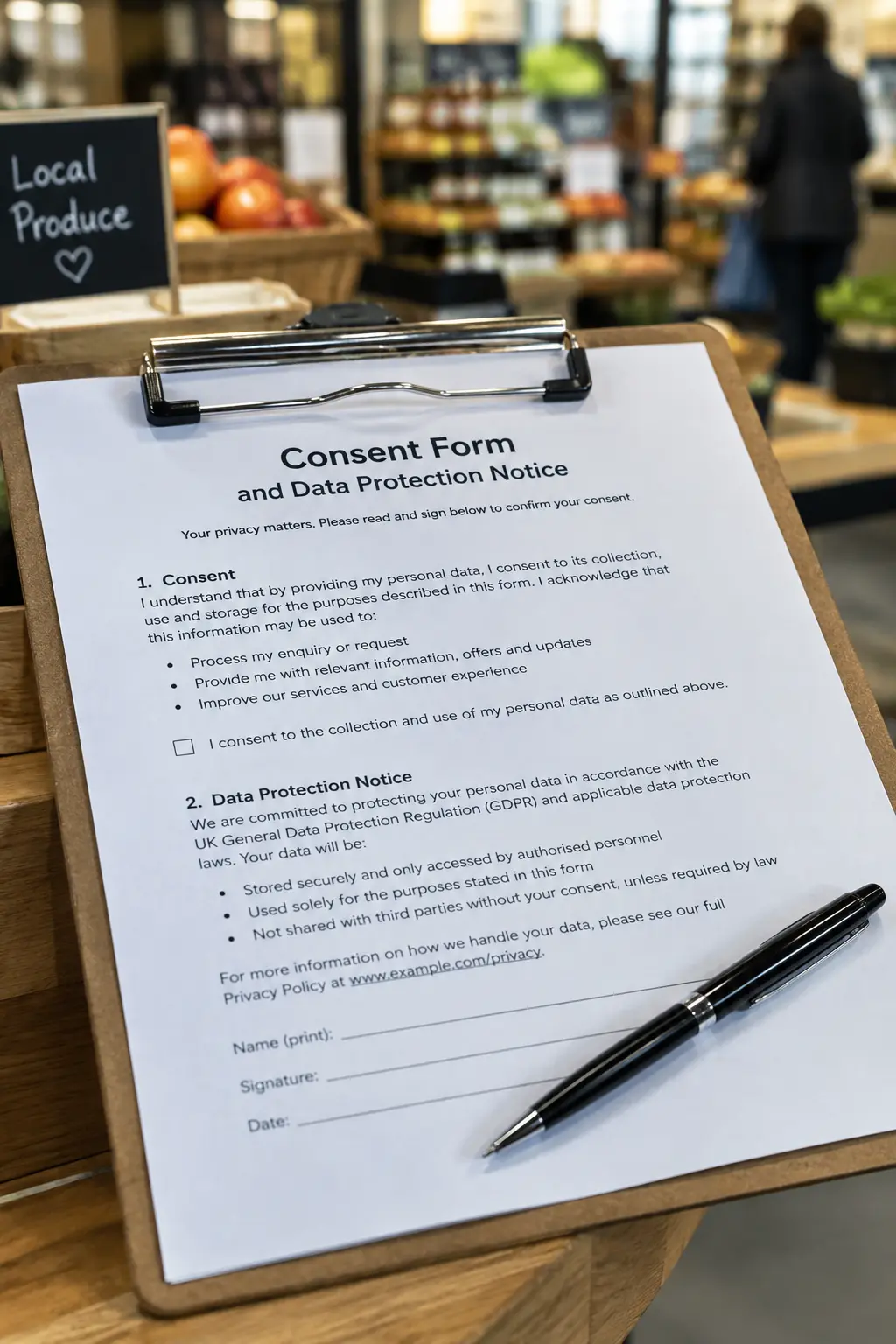
Step 5: Agree Confidentiality Terms Before You Collect Anything
If the marketing team shares anything it considers sensitive — unreleased campaign concepts, internal engagement figures, competitive positioning discussions — put the confidentiality agreement in writing before data collection starts, not after. State plainly in your own project whether the company is named or anonymised (a common compromise: name the company for its published, public-facing information, but describe an unreleased campaign generically as “a planned campaign under development at the time of this study” without its working title or launch date). Keep a signed copy of whatever agreement you reach; it is the document that protects both you and the company if a question comes up at your defence about how a specific figure or quote was obtained.
Step 6: Structure Chapter Three Around the Marketing Case
A marketing project set inside one company follows the same single-case design logic as any other company case study, with one addition worth stating explicitly: name the specific campaign, product line, or marketing function your study examines, not just the company as a whole. “A study of the named company’s social media marketing strategy for one named product line” is a defensible unit of analysis; “a study of the company’s marketing” without a defined scope invites a panel to ask what, specifically, you actually studied. State your data sources — interview, customer survey, company documents — and how they triangulate, following the same convergence logic used in any single-case design: what the documents show, what the customers say, what the manager says, and where the three agree or disagree. A worked illustrative example: a study of a named fast-moving consumer goods distributor’s social media strategy for one product line triangulates the company’s own posted content and engagement counts (documentary evidence), a 150-customer survey on brand recall and purchase intent (the customer-facing data), and a 20-minute interview with the digital marketing lead on how content decisions are made (the staff data) — and the discussion section states explicitly where the three sources agree (customers recall the campaign’s central message accurately) and where they diverge (the marketing lead’s stated objective and what customers say actually drove their purchase decision are not the same thing).
Step 7: Have a Fallback Ready Before You Need It
If the company goes quiet, two switches usually let you continue without starting over. First, a published-campaign analysis: study a campaign the company has already publicly launched, using only what it has published on its own channels and in media coverage, which needs no ongoing company cooperation. Second, a customer-side survey that keeps the company named as the subject but collects data from its customers in a public setting (outside a branch, at an event) rather than through the company’s internal cooperation, provided you are not misrepresenting the company’s involvement. Either switch keeps your original research questions and objectives largely intact while removing your dependence on a reply that may never come; write a short memo to your supervisor documenting the switch and the reason for it, the same way a business administration case-study project would. Our list of worked research questions and hypotheses for a marketing project and our guide to where marketing students find published data both work equally well whether your design ends up company-cooperative or published-data-only.
Once your access, design and consent approach are settled, Tesify keeps your Chapter Three research design, your consent language and your Chapter Four structure consistent as the draft grows — the same company scope, the same lawful basis, the same triangulation logic, chapter after chapter. Start your marketing project with Tesify — over 9,000 students and 15,000+ chapters written, 100% written by you.
Frequently asked questions
Do I need the company’s permission to study a campaign it has already published?
Not to analyse the published materials themselves, since public campaign content is available to anyone. You do need permission if your study also involves interviewing staff, surveying the company’s customers directly, or using any data the company has not made public.
Can I name the company if I only use its publicly available marketing materials?
Yes, published campaigns and public brand materials can generally be named and analysed without separate permission, since they are already in the public domain, though naming the company in a way that implies its endorsement of your findings is a separate matter worth avoiding.
What if the marketing manager agrees verbally but the company never sends written confirmation?
Follow up with a short email summarising what was agreed and ask for a one-line confirmation reply; a verbal agreement with no written record is difficult to rely on if a question about access comes up later, and the email itself becomes your documentation either way.
Is a digital marketing project different from a general marketing project for access purposes?
The access process is the same, but digital campaigns often have more publicly visible data (social media engagement, follower counts, public ad transparency listings) than offline campaigns, which can make a digital-marketing topic easier to fall back on if company cooperation stalls.
How many customers should I survey inside a company-based marketing project?
It depends on whether the company can give you a defined customer population to sample from, in which case apply the usual sample-size approach for a known population, or whether you are collecting an open convenience sample at a branch or event, in which case state your sample size by resource limits and justify it rather than presenting it as randomly representative.
Do I need ethics committee approval for a marketing project inside a company?
Marketing and business administration departments in Nigeria do not typically route a company-based marketing project through a formal institutional ethics committee, but the Nigeria Data Protection Act’s consent and data-subject-rights requirements still apply to any personal data you collect from customers or staff.
What happens if the company asks to review my findings before I submit?
This is a reasonable request and worth agreeing to as part of your access negotiation, but be clear in writing that the company can flag factual errors, not veto findings it simply dislikes; your supervisor should be aware of any such arrangement before your defence.
Can two students study the same company’s marketing in the same session?
Usually yes, provided the campaign, product line or research question genuinely differs between the two studies; confirm with your supervisor that your specific scope is distinct before finalising your topic.
What if the company only allows anonymous data, with no company name at all?
That is a workable and common compromise. Describe the organisation generically by sector, size and location (for example, “a mid-sized FMCG distributor in Lagos State”) and state in your methodology that anonymity was a condition of access.