
The free database most Nigerian law students are told to use, NigeriaLII, listed 1,953 judgments when checked on 30 August 2026, and its most recent one is dated 17 April 2018. For a long essay or final year project that must cite current authority, that single fact decides the comparison: the free tier stops eight years ago, and the paid platforms are where the last eight years of Supreme Court and Court of Appeal decisions live.
| Platform | Coverage (as stated on the platform, checked 30 August 2026) | Cost | Best for | Rank |
|---|---|---|---|---|
| LawPavilion Primsol | Nigerian case law and statutes; the platform states a 65-plus-year verified legal database with a consolidated index, used by over 30,000 legal practitioners | Paid subscription; plan prices are shown after sign-in, not on the public pricing page | Current authority, full-text search, AI-assisted research | 1 |
| Judy Legal | 77,000-plus cases and 2,700-plus statutes across Ghana, Nigeria and Kenya; Nigerian decisions from 1911 across more than 20 courts | Paid, with a free trial; plan prices not displayed on the public pricing page | A trial-length research sprint, comparative West African topics | 2 |
| NigeriaLII | 1,953 judgments from the Supreme Court, Court of Appeal and several High Courts; latest judgment 17 April 2018 | Free | Older authority, checking a citation, reading the full text of a classic case | 3 |
| Official sites: National Assembly, PLAC, Supreme Court | Bills tracker, Acts and publications, Hansard and open data at nass.gov.ng; Acts, Laws of Nigeria, Constitution resources and bills tracking at placng.org | Free | Statutes, bills and legislative history | 4 |
| Faculty library law reports (NWLR and others) | Bound reports on the shelf; coverage depends on the faculty’s subscription | Free to registered students | The citation the examiner expects to see, verified against the printed report | 5 |
| Google Scholar | Journal articles and books; its case law search covers United States courts only | Free | Secondary sources for Chapter Two, never Nigerian cases | 6 |
How the six were ranked
Four criteria, in the order a law project needs them. First, currency: can the database give you a 2024 or 2025 Supreme Court decision, because a project on a live area of law that cites nothing after 2018 will be marked as if the research stopped there. Second, breadth: Supreme Court, Court of Appeal and the High Courts, plus statutes in force. Third, cost and payment, in naira, because a student pays once and personally. Fourth, verifiability: whether what you find can be checked against a printed report or an official text, since a wrong citation in a law project is not a typo, it is an error of authority. No platform was ranked on its search interface; every one of them finds a case by name in seconds.
1. LawPavilion Primsol: the current authority, at a price it does not print
Primsol is LawPavilion’s online platform, and the company’s own description is a single search across its electronic law reports, statutes, practice guides and the regulations of ministries, departments and agencies, on what it calls a 65-plus-year verified legal database with a consolidated index. The separate LawPavilion Prime product is the offline library installed on a computer, and the company states it is used by over 29,000 legal practitioners; Primsol claims over 30,000. For a student the practical question is access. Many faculties of law hold an institutional subscription, and if yours does, the library’s terminals or the faculty login are the cheapest route to the last eight years of decisions. If it does not, the public pricing page at primsol.lawpavilion.com invites you to choose a plan but, when read on 30 August 2026, showed no figures in naira or dollars; the amounts appear after sign-in or through the WhatsApp and email contacts the page lists. Ask the faculty librarian before you pay anything.
One caution the honest review has to include. LawPavilion AI is marketed with the phrase zero hallucination and as returning answers backed by real, verifiable cases. Treat that as a claim to test, not a permission to skip the check: open every case the assistant cites, read the ratio yourself, and cite the report, not the assistant. A panel will ask where a case comes from, and the answer cannot be a chatbot.
2. Judy Legal: the trial-length sprint and the comparative angle
Judy Legal describes itself as a research platform for Ghana, Nigeria and Kenya, with 77,000-plus cases and 2,700-plus statutes across the three jurisdictions, and Nigerian decisions from 1911 across more than 20 courts from the Supreme Court and Court of Appeal down to the High Courts. It offers a free trial and a demo, lists a Nigerian support line, and organises its pricing by plan with a jurisdiction database in every plan; the plan amounts, like Primsol’s, were not visible on the public pricing page when checked. Two uses fit a student. The first is a concentrated week of case-finding inside the trial window, with every citation exported to your reference manager before it closes; the choice between the two managers is set out in Mendeley versus Zotero for Nigerian students. The second is a project that compares Nigerian law with Ghanaian or Kenyan law on the same question, where one database holding all three saves weeks.
3. NigeriaLII: free, reliable, and frozen in 2018
The Nigeria Legal Information Institute publishes the law of Nigeria for free access to all, as a member of the international free access to law movement, with the AfricanLII programme at the University of Cape Town and Laws.Africa behind it. On the day of checking it held 1,953 judgments from the Supreme Court, the Court of Appeal, the Customary Court of Appeal and the High Courts of Lagos, Kano, Bauchi, Benue, Ebonyi and the FCT, with a personal research space for saving documents and notes. The judgments page stated the latest judgment as 17 April 2018, and the legislation listing returned no documents. So the honest description is a good free archive of a specific period: use it to read the full text of a case decided before mid-2018, to check the neutral citation of an older authority, and to quote a passage accurately. Do not use it to establish that a case is still good law, because it cannot show you what the courts have said since.
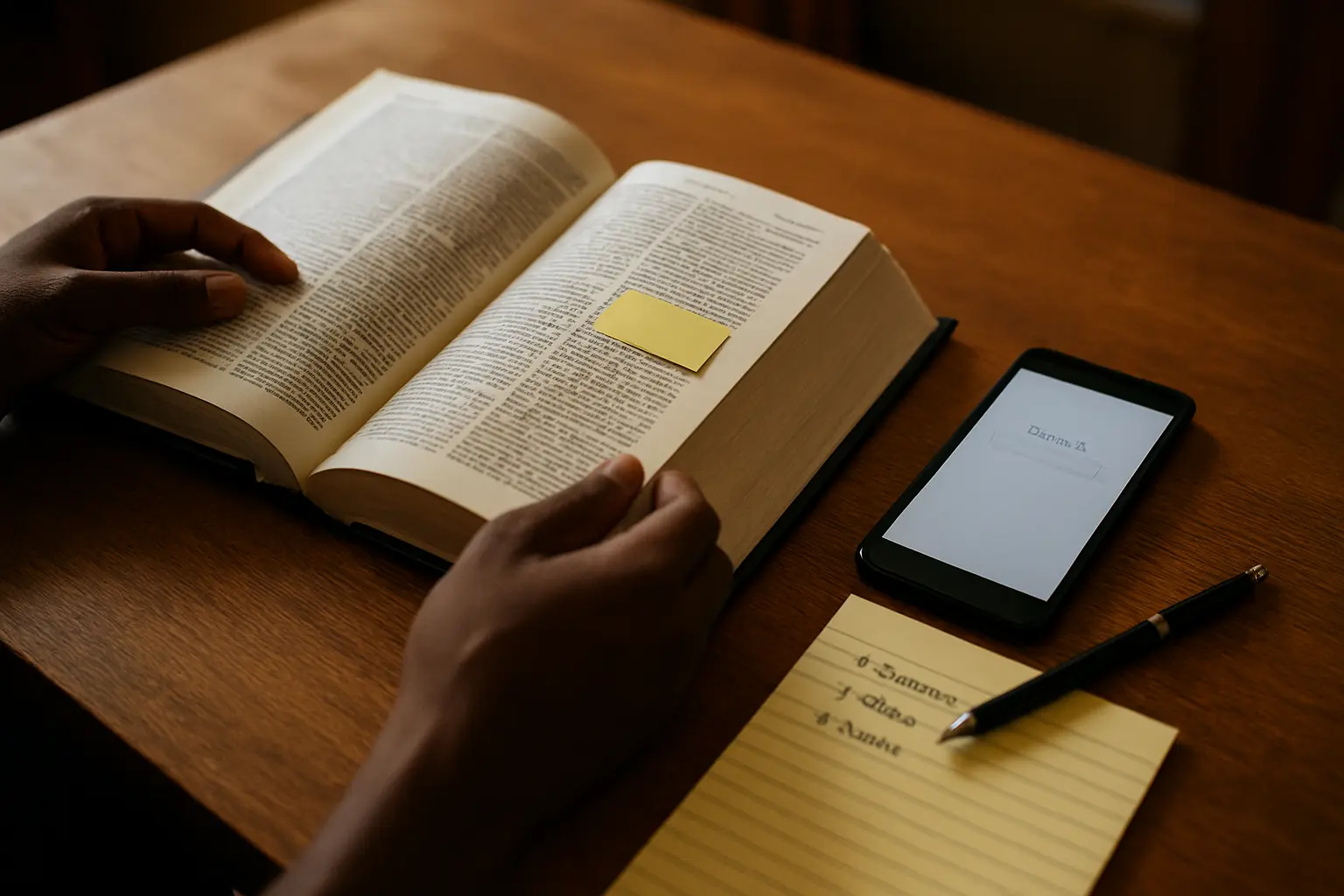
4. The official sites: statutes and bills, free and current
For legislation, the two free sources that answered on 30 August 2026 are official or near-official. The National Assembly portal at nass.gov.ng carries a bills tracker, order papers, votes and proceedings, Hansard, an Acts and publications section and an open data section, with the portal itself showing a last-updated date of 6 May 2026. The Policy and Legal Advocacy Centre at placng.org publishes Acts, a Laws of Nigeria collection, Constitution resources, committee reports, lead debates and a bills-tracking service, and is the source Nigerian legal writers most often use for the text of a recent Act. For a project whose argument turns on a provision, cite the Act by its short title and year and the section, and quote the provision from one of these two texts; where the faculty library’s Laws of the Federation of Nigeria 2004 volumes hold the consolidated version, cite that edition for pre-2004 statutes. The Supreme Court’s own site, when fetched, returned only its heading, so it was not assessed for judgments.
5. The faculty library: where the citation actually lives
Every Nigerian law project cites cases by their report: the volume, part and page of the Nigerian Weekly Law Reports or another series. The databases give you the case; the report gives you the citation the examiner expects, the page for a pinpoint reference and the certainty that the text is the one the court issued. The faculty library’s shelf of bound reports is therefore not a fallback but the last step for every case you rely on. Where the library’s subscription has lapsed for recent years, that is exactly the gap a paid database fills, and it is worth knowing before you choose a topic in a fast-moving area. How the references are then formatted, and which style your faculty requires, is covered in the guide to which referencing style your Nigerian university requires; law faculties often prescribe their own citation guide rather than APA, and the generators compared in the best citation generators for Nigerian students handle journal articles far better than they handle law reports.
6. Google Scholar: for the literature, not the law
Google Scholar’s case law search, checked on 30 August 2026, lists United States state and federal courts and nothing else; a Nigerian case will not appear there, and a student who searches it for one will conclude, wrongly, that the case does not exist. What Scholar does well is the secondary literature: Nigerian and comparative journal articles, textbooks and theses on your question, which is the material Chapter Two is built from. The method for turning a search into a literature review, and for counting how much Nigerian scholarship already exists on your topic, is in the guide to writing Chapter Two of a final year project and the answer to whether your project topic has already been studied in Nigeria.
The recommendation, and the runner-up for a tighter budget
If your faculty subscribes to LawPavilion Primsol, use it for every case decided after 2018 and verify each one against the printed report. That is the recommendation, and it costs a student nothing beyond the library’s opening hours. If the faculty does not subscribe and you cannot get a plan price you can afford, the runner-up is a three-part free route: Judy Legal’s trial for a concentrated week of case-finding, NigeriaLII for the full text of authorities decided before mid-2018, and the National Assembly and PLAC sites for statutes. Budget the trial week for the middle of your research, after you know the questions and before you write, so that nothing is wasted on browsing. For a project that also uses public data, for example on the administration of justice or electoral disputes, the free datasets are listed in the data sources a political science project in Nigeria can cite.
Turn the cases you found into a chapter that argues
Tesify drafts the doctrinal chapters of a law project from the authorities you paste in, keeps every case name and section number exactly as you typed it, and builds the table of cases and table of statutes as you go. It never invents a citation, and it formats the bibliography in the style your faculty prescribes. There is a free plan and no card is required.
Frequently asked questions
Which legal research database is best for a law project in Nigeria?
LawPavilion Primsol, through a faculty subscription, for decisions after 2018; Judy Legal’s free trial as the runner-up; NigeriaLII for free full text of cases decided before mid-2018; and the National Assembly and PLAC sites for statutes.
Is NigeriaLII still updated?
When checked on 30 August 2026 it listed 1,953 judgments and stated its latest judgment as 17 April 2018, and its legislation listing returned no documents. It remains free and reliable for older authority.
How much does LawPavilion Primsol cost for a student?
The public pricing page showed no plan amounts on 30 August 2026; prices appear after sign-in or through the contacts the page lists. Ask your faculty librarian whether an institutional subscription exists before paying personally.
Can I find Nigerian cases on Google Scholar?
No. Google Scholar’s case law search covers United States courts only. Use it for journal articles and books on your topic, not for Nigerian judgments.
Where do I get the text of a Nigerian Act for my project?
From the National Assembly portal’s Acts and publications section or from PLAC’s Acts and Laws of Nigeria collection, both free; for pre-2004 statutes, cite the Laws of the Federation of Nigeria 2004 edition in the faculty library.
Do I still need the printed law reports if I use a database?
Yes. The citation in your project points to the report volume, part and page, and the examiner will expect the case as reported. Use the database to find the case and the printed report to verify and cite it.
Can I rely on an AI legal assistant’s case citations?
Only after opening each case and reading it yourself. Marketing claims of zero hallucination are claims to test; the project cites the report, not the assistant.
Does Judy Legal cover Nigerian cases?
Yes. The platform states Nigerian decisions from 1911 across more than 20 courts, within a database of 77,000-plus cases and 2,700-plus statutes across Ghana, Nigeria and Kenya, with a free trial.